High-quality care depends on having the right information at the right time. In the Netherlands, a first step toward that goal was taken with the introduction of the Wegiz (Wet elektronische gegevensuitwisseling in de zorg) which has been in force since July 2023 and requires healthcare providers and IT suppliers to standardize electronic data exchanges. Its aim is to simplify data exchange, giving healthcare providers faster and easier access to the necessary medical data of their patients. But the Wegiz law operates at the national level and has a specific focus for data sharing between healthcare providers.
While simplified and quicker data access is essential to healthcare providers and national bodies, researchers also need consistent, cross-border access to health data for conducting scientific research. The ambition of the European Health Data Space (EHDS) is to go further by also regulating access to data by citizens and secondary use.
In this blog, we’ll share what the EHDS is and then focus primarily on secondary use, and what it means for the generation of Real-World Evidence (RWE) across Europe.
What is the EHDS?
The EHDS Regulation came into force on March 26, 2025 with the intent to create a single “space” within the entire EU for the electronic exchange of health data, something that has until now been regulated by EU member states at the national level. It is built around three pillars:
- Primary use (care delivery): The EHDS puts citizens at the center by strengthening individual rights, and control over access to and use of their digital health data in the context of care. A core mechanism is standardized cross-border exchange of key health datasets using the European Electronic Health Record Exchange Format (EEHRxF), enabling secure and consistent interoperability across EU countries.
- Secondary use (research and innovation): The EHDS also aims to make health data more available for broader public-interest uses, such as scientific research, innovation, and health policy/decision-making while enabling stronger collaboration across Member States.
- Harmonizing rules for the EU health IT market: Covering safety, cybersecurity, and interoperability to reduce fragmentation and accelerate innovation.
Why does Secondary Use Matter for Science?
Real-world data reflects how medicines are used, tolerated, and effective across the full breadth of clinical practice, not just in the controlled setting of a randomized clinical trial. Trials apply strict inclusion criteria and cannot evaluate all applications of a drug across the full range of patients who will ultimately receive it. RWE fills that gap, and the EHDS secondary use provisions are designed to make generating that evidence at European scale significantly more feasible.
But greater access to health data does not automatically lead to better evidence. Health data is collected at the point of care by clinicians, for clinical purposes. Understanding what a dataset can and cannot reliably tell you requires deep familiarity with how it was generated: who recorded it, under what conventions, with what gaps, and how those factors change over time. Combining data across multiple countries adds further complexity including terminology mapping, variable validation, and handling heterogeneity between national data infrastructures and healthcare systems. These are core scientific challenges that sit firmly after data access is granted.
This is why data quality, governance, and scientific expertise will become more important as the EHDS matures. In the Netherlands, the Wegiz has already begun to lay the national groundwork for standardized electronic data exchange but translating that into robust, cross-border evidence generation is where the harder scientific work begins. This understanding, namely of: provenance, coding practices, care pathways, and data gaps what PHARMO, part of Lumanity, has been building through close partnerships with healthcare providers for over two decades.
PHARMO at the table: Insights from the Nictiz Stakeholder Meeting
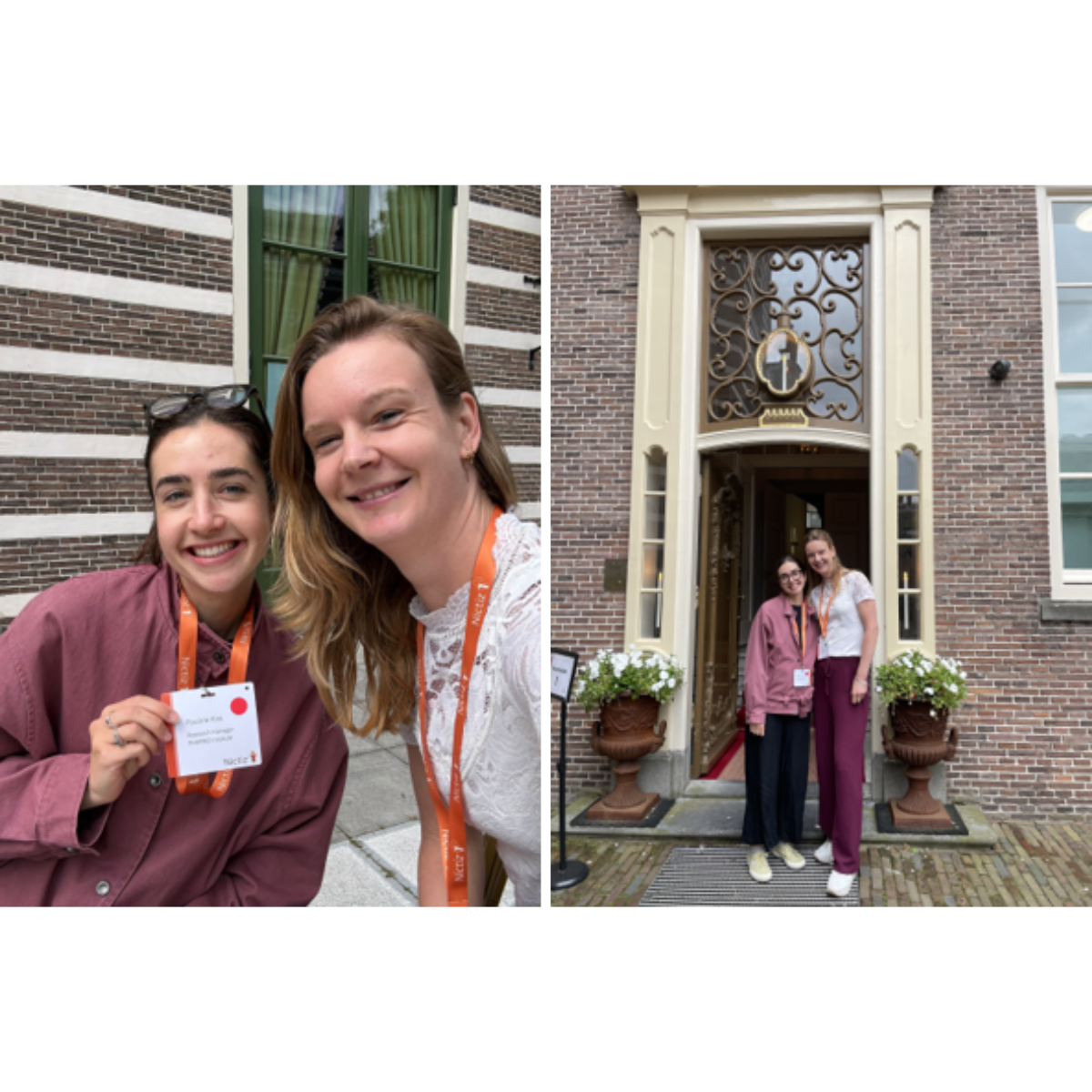
On June 17, 2026, PHARMO joined more than 150 stakeholders at Paushuize in Utrecht for a dedicated conference on the EHDS. The day provided a deep dive into the latest EHDS developments including outputs from the Extended EHR@EU Data Space for Primary Use (Xt-her) joint action (which has now concluded) and the ongoing work of the Second Joint Action Towards the European Health Data Space (TEHDAS2), which is developing the technical specifications and guidelines needed to make secondary use of health data a practical reality across Europe.
During the consultation of the results of wave 3 of TEHDAS2, PHARMO discussed the guidelines for linkages of datasets within the EHDS framework together with other stakeholders from academia, governmental institutions and industry. This session prompted reflection on how PHARMO, part of Lumanity, can further strengthen their role as a trusted partner by leveraging deep data expertise.
A key takeaway of the day was this: everyone looks at the introduction of EHDS from their own perspective. That’s precisely why bringing stakeholders together is essential – to listen to each other’s viewpoints, jointly arrive at workable solutions and build a shared understanding of what is possible, what is not, and what is realistic and useful for patients, healthcare, research and policymakers.
What’s Next?
For PHARMO, active participation in these conversations is not peripheral. It directly informs how we are building our capabilities, refining our data governance, and thinking about the methodological standards that EHDS-era research will need to meet.
This is the first in a series of blog posts exploring the EHDS from PHARMO’s perspective. Across the series, we move from the broad regulatory picture into the scientific and operational detail: what the EHDS will genuinely change for RWE generation, why data access alone does not produce better evidence, how PHARMO is preparing now rather than waiting, and what this means for clients navigating an increasingly complex evidence landscape. The EHDS is changing the way health data will be used across Europe. Rather than waiting for the implementing acts and national operationalization, PHARMO is actively preparing for the future by investing in data quality, governance, scientific excellence, and trusted partnerships.
TO BE CONTINUED…
References: